With the warming climate, some people will wonder if having a flat roof is a good idea. If you want to do this, it is crucial to consider the benefits and challenges.
As Houseroofpedia notes, flat roofs are ubiquitous in hot countries. Some of this is down to long-standing cultural traditions, but they form as much a part of modern architecture as that of antiquity and do so for some very practical reasons:
- They are efficient at reflecting heat
- They manage thermal mass by absorbing heat during the day and slowly releasing it at night
- They are designed to combine with features such as courtyards and ventilation shafts to maintain the flow of air
- They are also easy to install, make a good place to install solar panels and offer functional spaces, where they can be used for everything from drying clothes to relaxation
A key question that may be asked is whether this is now applicable to Britain, given our warming climate, highlighted by the fact that the hottest May and June days on record have just been measured.
The answer is that while many of the above considerations about flat roofs are applicable in the UK, not all of them are. Although the British climate is getting hotter and our winters milder, we are still not in the same position as, for example, Mediterranean countries.
What Materials Are Used For Flat Roofing In The UK?
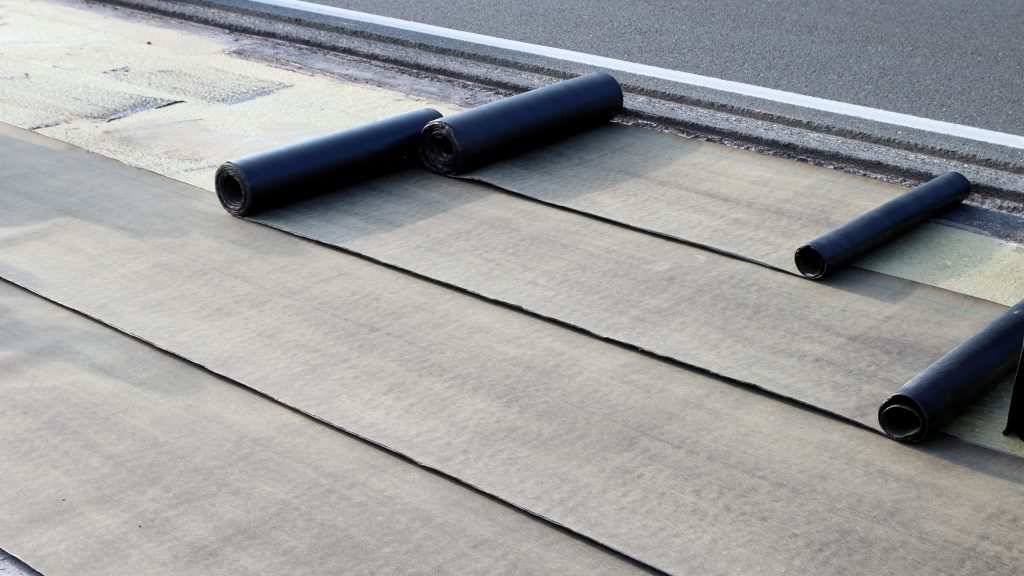
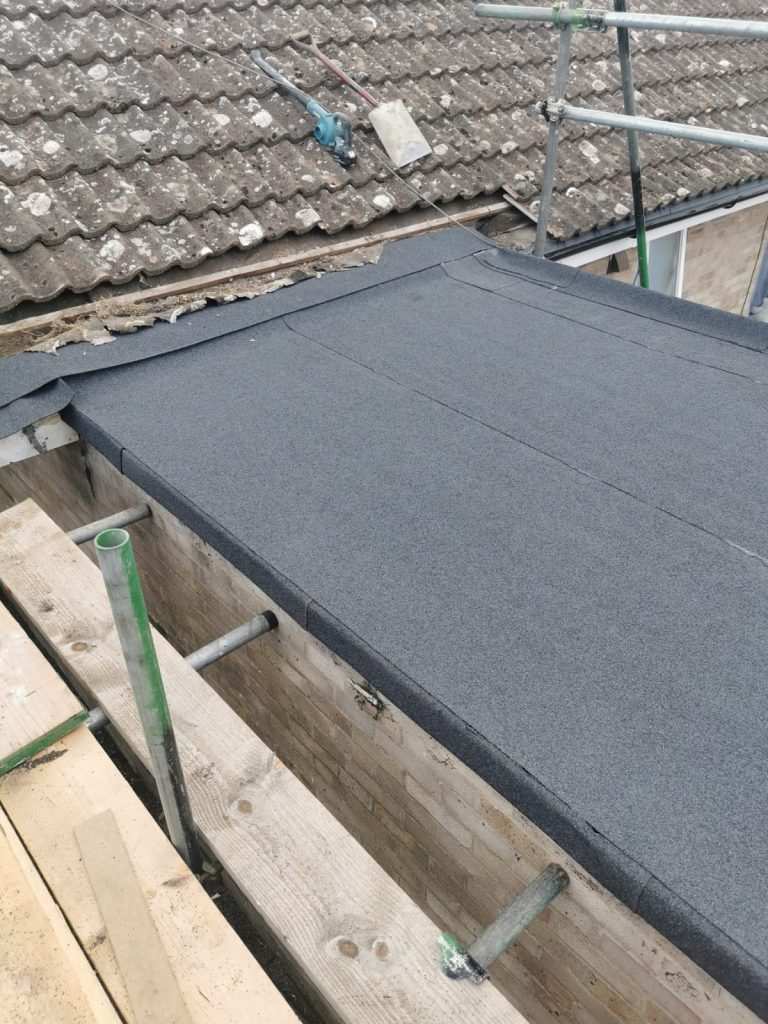
Firstly, the materials used in making flat roofs tend to differ. Overseas, they tend to use adobe, concrete or stone. Here, different materials are used. For example, we use torch on felt roofing, GRP fibreglass and rubber.
A concrete or stone house roof will often use the same material as the rest of the structure and act as an extra floor. Here, a roof will need to be designed to be sturdy enough that it can bear the weight of whatever is placed on it, from people to plants to solar panels.
If this is done, it can indeed be used for all sorts of reasons, which is a very good reason to have one. For instance, if you live in a home without a garden, it can be a rooftop garden. Or, if you want solar panels fitted, they can provide green energy and curb global warming.
What Are The Challenges In Having A Flat Roof In The British Climate?
However, it is also important to be aware that flat roofs in the UK will still face challenges that many in hot countries will not, in the form of higher rainfall and, on occasion, frost and even snow.
The latter may be less common, but freezing weather still happens. For example, down the road in Ipswich, there were more than 50 days when the average temperature was below freezing in seven of the ten years of the 1980s, but only once (2021) in the last decade.
While that does mean fewer chances for rainwater on a flat roof to freeze and expand, potentially causing damage, it can still happen.
Also, heavier rain in the winter is a phenomenon you need to be aware of, as this can lead to effects like ponding, which is self-perpetuating as the weight of the water deepens the depression, leaving your roof not so flat.
None of this means you shouldn’t have a flat roof, but it does mean you need to be prepared to maintain it in a way that might not have an equivalent in hotter and drier countries.