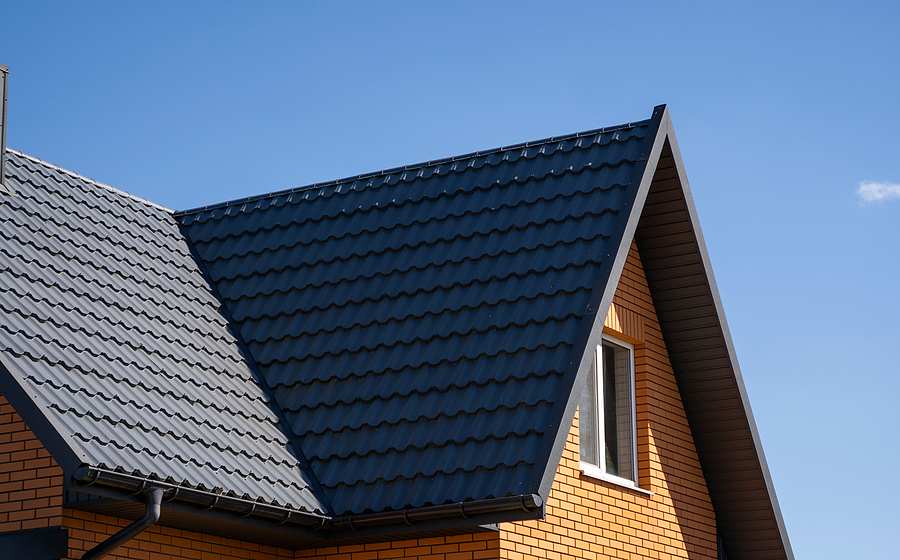
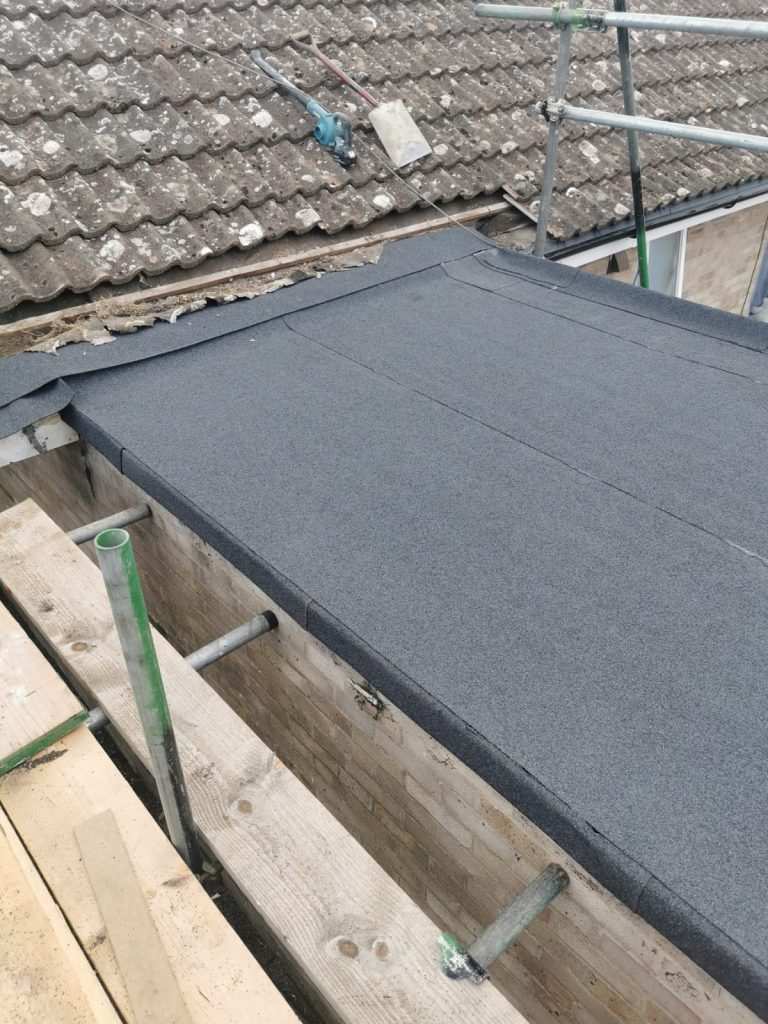
Possibly the most nontraditional of traditional roofing materials, corrugated metal roofing has been used for an extraordinarily long time for agricultural, commercial and even residential purposes, but it has seen greater use in the latter than ever before.
Also known as wriggly tin, corrugated galvanised iron has been the standard shape of metal roofing for nearly 200 years, and has been used for everything from small metal sheds to grand tin tabernacles and even cathedrals.
In a design and architectural age which celebrates industrial heritage, it has even become highly stylish, so should you use it as the main surface for your roof? It can depend.
There is a lot that corrugated iron does right, but also several shortcomings when used for the roof of a house, and to understand if it is right for you, you need to see both perspectives.
What Are The Biggest Positives Of Metal Roofing?
From both practical and aesthetic standpoints, metal roofing has a lot of benefits when used correctly. Here are some of the biggest.
Hard-Wearing And Long-Lasting
Famed for its durability, corrugated metal roofs are built not only to last but also to withstand severe weather conditions with little to no lasting effect.
As long as they are cleaned and periodically inspected, metal roofs can last over half a century.
Energy Efficient
Corrugated metal roofs reflect solar heat, which can reduce the amount of heat entering your home and thus the costs to keep fans and air conditioning running.
This can be maximised using dedicated coatings and ultra white paints, but it can help to save you money and make your building more comfortable in a heatwave when used correctly.
Stylish And Aesthetically Appealing
Whilst the corrugated look has its own fans, particularly with industrial interior design having its moment in the sun, corrugated metal is also very versatile, able to be painted and coated in a huge variety of finishes to suit the design of the rest of your building.
What Are The Main Disadvantages Of Corrugated Metal Roofing?
Whilst there are a lot of advantages to incorporating metal roofing into your building, there are some considerations that you may need to take into account, particularly if you want to use it for your home.
Noise
Metal tends to make a reverbating, echoing noise when anything lands on it, meaning that it can make a lot of noise when it rains. Whilst clever roof design and insulation can mitigate the sound somewhat, you need to take that into account.
Limited Insulation Potential
Whilst the general rule of insulation is that anything that keeps heat out also keeps heat in, this is not necessarily the case with metal roofs on their own.
They can sometimes let out heat through the roof, not only making the rest of the building feel colder during the winter, but also potentially costing you money through energy efficiency losses.
If you want a metal roof, it is important to also consider insulation options.
Dents And Scratches
Metal roofing is durable, but hailstones, debris and tree branches can cause conspicuous scratches to the paint or galvanised coating, which can affect its appeal in the long term without maintenance.