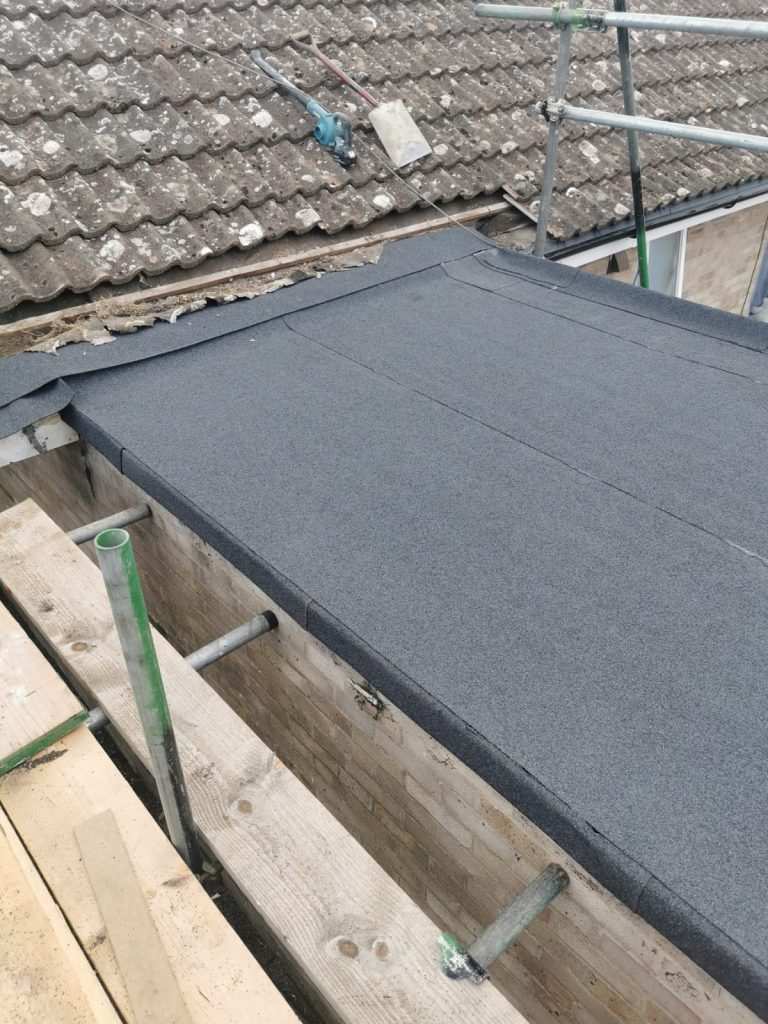
The work of roof repairs is not just about the surface of the roof itself. Fixing the gutters can also be an essential task to manage rainwater and to prevent water damage to the roofs, especially if they are flat roofs.
Your gutters can have two main problems, one of which is them being blocked up, which often happens in the autumn when falling leaves can clog them, leaving water to overflow and, with flat roofs, to flood the surface and potentially cause damage when this freezes.
The other problem is when the gutters are corroded or damaged, in which case they will leak from within and continue to deteriorate. Re-lining can prevent severe decay.
This involves replacing the waterproof lining in gutters if it has become damaged or worn, which prevents the water seeping out and causing corrosion or spillages.
Guttering may not seem like a big issue during this hot, dry summer with hardly any rain, but the Met Office has projected that the path of climate change will pair hotter and drier summers with wetter winters.
Indeed, the current drought follows an exceptionally wet winter, with climate change cited as one of the factors. Nobody should be surprised if we are getting deluged a few months from now.
What Are The Signs Of Damaged Guttering?
For this reason, it makes sense to check for signs that your guttering might need repairs ahead of the wetter part of the year. These include:
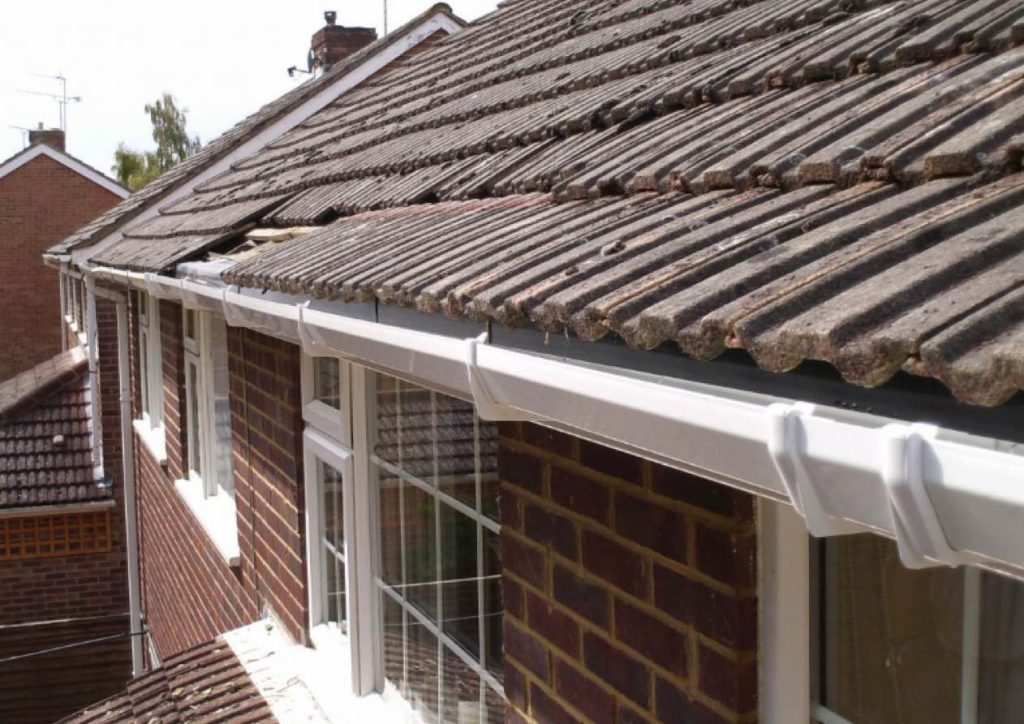
- Obvious signs of decay like holes, cracks and rust
- Gaps in the gutter
- Sagging gutters
- Pooling water
Often, the solution involves gutter re-lining. In other cases, the gutters may simply need cleaning out to allow the water to flow through, while in others they may have declined so much that they need replacing.
However, re-lining can make the latter situation less likely, as it can protect the gutters from declining so badly they need to be replaced, saving you time and money.
If your gutters do need re-lining, now is a good time to get it done before the long-awaited rains arrive in force.