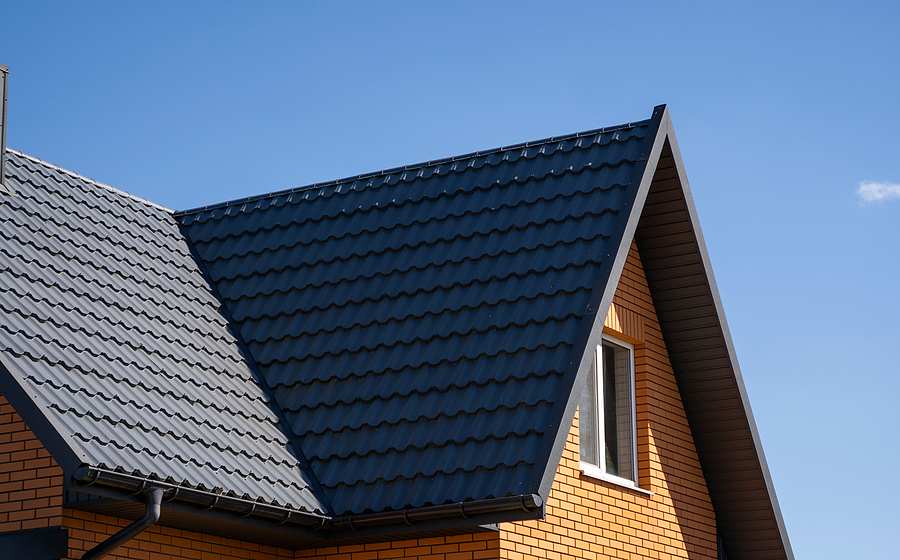
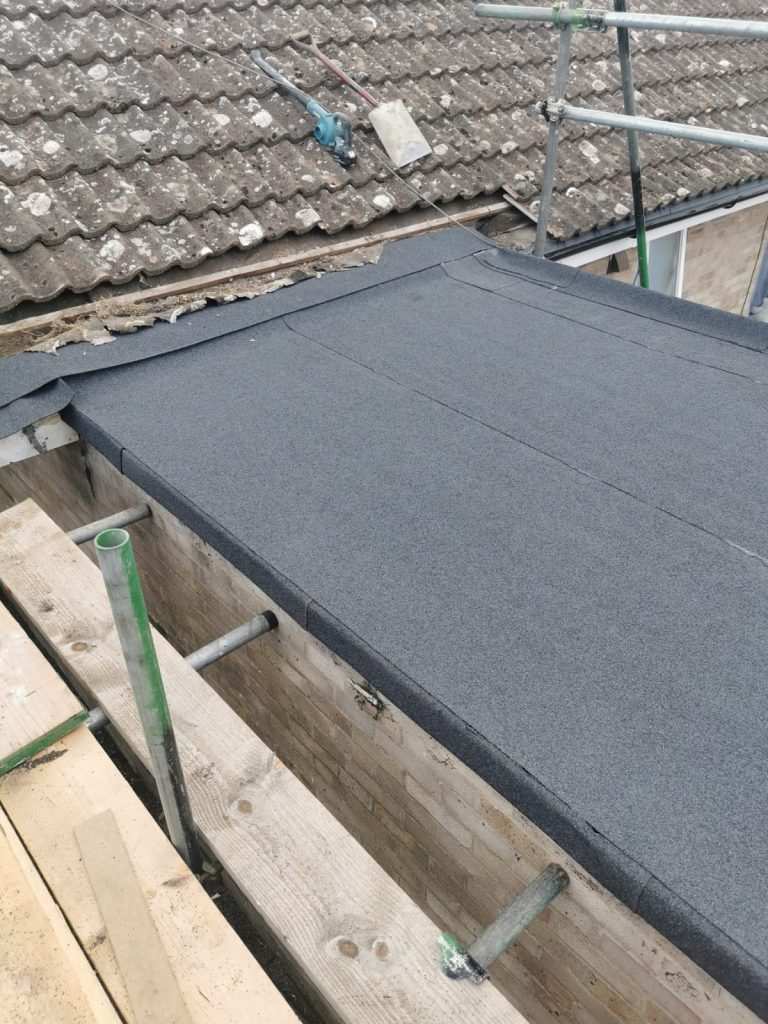
Roof leaks rarely start the way you imagine them to; instead they typically develop slowly through small issues, then gradually escalate over the coming months and years. Which is where the importance of roof lining for long term prevent comes in. Roof lining acts as a secondary act of defence, protecting the structure of the roof from moisture and significantly reducing the risk of long-term water damage to your property.
Whether youâre installing a new roof or refurbishing, the professional application of roof lining is essential for long-term leak prevention. At KMS Roofing Ltd, we are a trusted specialist with years of experience providing high-quality roof lining. We understand that a roof isnât just about covering a building; itâs about safeguarding everything beneath it. Which means that we treat every project as if itâs our own home, with dedication, respect and high standards. Choose our roof lining for long-term leak prevention.
In this blog post, weâll discuss the importance of roof lining for long-term leak prevention. Weâll explore how we can help you make the right choice for the longevity of your property and long term protection. Get in touch with us today for more information on how to book roof lining for long-term leak prevention.
The Importance of Roof Lining for Long-Term Leak Prevention
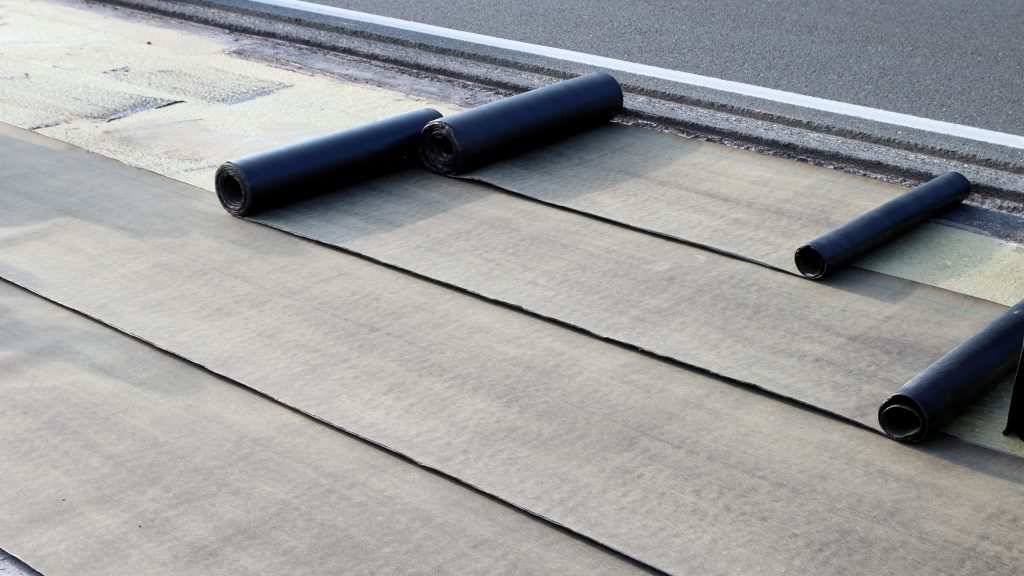
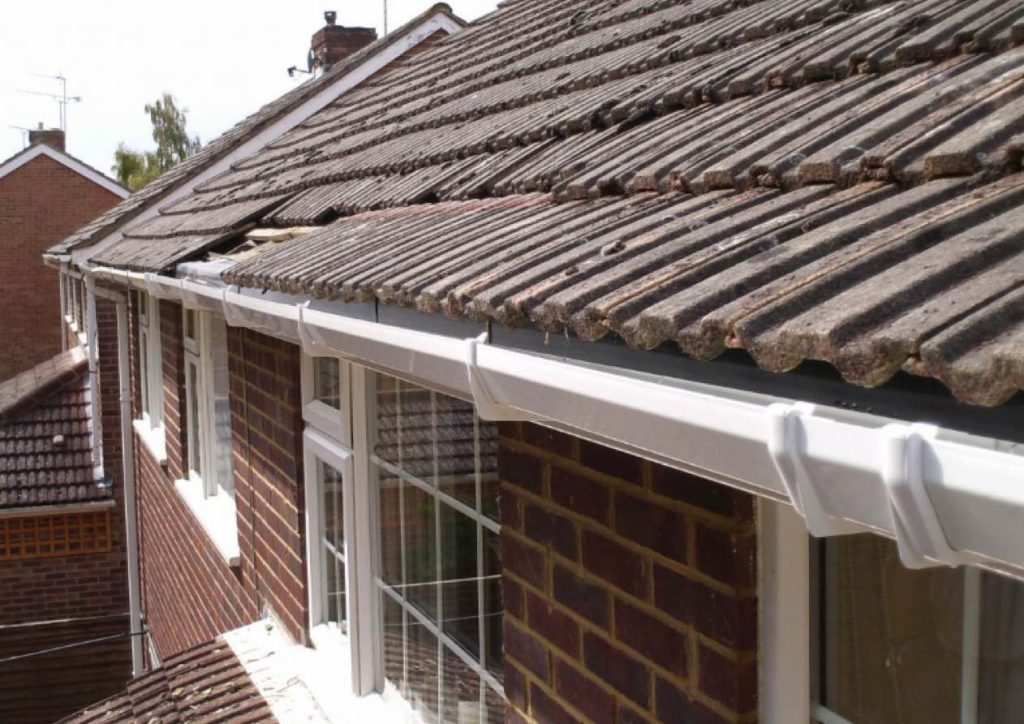
When it comes to securing your property against long-term leak protection, professional installation of roof lining is your best defence. Roof lining is essential in the UK due to the unpredictable weather, with heavy water exposure during heavy rain or storms becoming more frequent. Roof lining acts as a protective barrier against water penetration and is placed underneath the outer roofing material. It can be made from various materials, each offering unique benefits depending on the roofing type and climate.
Without expertly installed roof lining, trapped moisture could lead to significant property damage, including structural damage, rot, mould, and more. This is why it is so important to have the necessary precautions in place, which brings us to roof lining.
How Does Roof Lining Work?
Roof lining essentially works by protecting the roof deck – the surface to which the outer layer is fixed – from moisture and the subsequent damage. This protection significantly prolongs the lifespan of the roof and minimises the risk of expensive structural work, which can be caused by water damage. By shielding the roof and property from moisture, the roof lining not only provides long-term leak prevention but also prevents rot, mould and insect infestations that could otherwise compromise stability. Maintaining an efficient roof also helps with insulation and energy efficiency.
A professionally installed roof lining provides long-term leak prevention by:
- Precautionary waterproofing in case shingles experience damage
- Condensation controlling properties to reduce potential moisture buildup
- Wind resistance installation methods for added protection during storms and other adverse weather
Why Roof Leaks Happen
To understand the importance of roof lining for long-term leak prevention, itâs useful to know how leaks are likely to occur. Even a well-installed roof is subject to high winds, heavy rain, and temperature changes, which can create vulnerabilities over time. The most common causes of leaks include:
- Broken, slipped, or poorly installed tiles
- Wind-driven rain penetrating gaps
- Condensation buildup within the roof
- Damaged flashing around joints and penetrations
- General wear and tear over time
By installing roof lining, you can be prepared for all eventualities and potentially save yourself thousands in the long-term. The right roof lining will ensure optimal property performance and can withstand the unique demands of your environment. But how do you know what the right material is?
Types of Roof Lining Materials
Choosing the right material for roof lining is essential when looking for long-term leak prevention. Each of the materials available for roof lining is suited to specific roofing needs, such as durability, weather resistance, and breathability. Here are a few of the most common typesâ¦
- High-Resistance Underlays – Traditionally used as an underlay beneath tiles or slates, high-resistance underlays such as felt provide a waterproof barrier that protects the roof from moisture infiltration. As these underlays require ventilation to appropriately manage condensation, it is less commonly used today. However, they provide a secondary barrier against weather pressure and penetration due to their unique properties.
- Low-Resistance Underlays – Low resistance underlays, such as synthetic membranes, are made of breathable materials which allow moisture vapour to escape. This prevents water ingress and promotes a healthier roof space. As these membranes are so effective, they are ideal for most residential and commercial roofs.
The Role of Roof Lining In Long-Term Leak Prevention
Prevent Hidden Moisture
Roof lining is essential for long-term leak prevention, as problems with moisture often start long before anyone notices a leak. An unknown leak can allow moisture to seep into roof decking, insulation, rafters, drywall and more, leading to a whole host of problems, such as mould, rot, and expensive structural repairs.
Secondary Barrier
Roof lining will offer a secondary protective barrier for long-term leak prevention. By having professionally installed roof lining applied, you gain peace of mind that you are protected against anything the weather may throw at you. You are also protected should your roof suffer any damage, as the roof lining will act as a backup protection.
Prevent Wind-Driven Rain
In adverse weather, strong winds can force rain upwards and beneath tiles or slates, one of the most common causes of leaks. However, roof lining will provide a continuous protective surface with resistance against upward water movement. It will also provide resilience in severe weather conditions, offering you peace of mind.
Why Choose A Professional For Roof Lining Installation?
Expertise
By using a professional for roof lining installation, you can ensure that the appropriate materials are used, with the right installation methods for long-term leak prevention. It is very important that the materials used for roof lining are matched to your unique situation, as different roofs will require specific kinds of roof lining and a professional is the best person to assess this. Choosing the correct roof lining from the start will mean you avoid costly repairs or damage later on. Here at KMS Roofing, we offer a personalised approach, resulting in effective long-term leak prevention.
Precision
When professionals install roof lining, you can trust that it will be installed with precision and care. Experienced roofers will take the time to ensure the correct fit and coverage of roof lining, which is essential for long-term leak prevention. The installation of roof lining must be perfectly executed for long-term leak prevention. As professionals follow strict building regulations and industry standards, you can trust that reputable companies provide precise and accurate installation of roof lining, resulting in long-term leak prevention. Here at KMS Roofing, we use precise methods, high quality adhesives, reinforced membranes and advanced techniques to ensure high quality roof lining installation.
Compliance
Industry standards require the installation of appropriate roof lining to meet building codes for safety, energy efficiency, and environmental performance. With professional installation of roof lining, you have peace of mind that your roof has been built to UK safety standards and provides long-term leak prevention.
Conclusion: The Importance of Professional Roof Lining for Long-Term Leak Prevention
Investing in professional roof lining is essential for long-term leak prevention as it acts as a waterproof protective shield. This secondary layer of protection is essential in the UK with the unpredictable British weather and high water and wind exposure. Without a high-quality and professional roof lining, moisture can lead to significant damage, including trapped moisture, mould, and structural damage. Opting for substandard materials or poor installation can lead to serious issues down the line, resulting in costly repairs and discomfort. Contact KMS Roofing Ltd today and discover how our roof lining can provide long-term leak prevention.
How Can KMS Roofing Help With Roof Lining?
At KMS Roofing Ltd, we bring our extensive experience and attention to detail to every roof lining installation. Our trusted approach is rooted in using only the highest-quality materials and proven installation techniques that guarantee performance and long-term leak prevention. Leaving you with the peace of mind that your roof lining exceeds industry standards and provides lasting protection and comfort for your home or business. Weâre here to help you with all things roofing!
Material Selection – We can guide you through the best roof lining materials for long-term leak prevention tailored to your roof, location, and budget, whether itâs traditional felt, breathable membranes, or advanced insulation systems.
Professional Installation – Our skilled team install professional roof lining for long-term leak prevention.
Trusted Maintenance – Our inspection and maintenance service identifies early signs of damage, with prompt repairs to extend the lifespan of your roof.
Frequently Asked Questions About Roof Lining
What is roof lining?
Roof lining plays an essential role in long-term leak prevention. Roof lining is a protective material which is installed beneath the outermost layer of roofing to provide a secondary layer of protection against potential damage.
How often should roof lining be inspected?
We recommend at least one professional inspection every few years, or after severe weather events.
Can roof lining be added to a roof?
Yes. KMS Roofing can add roof lining during re-roofing or refurbishment projects for long-term leak prevention.
What are the signs of a damaged roof?
Signs to look out for could include water stains, mould growth, damp patches, or sagging. All of these and more may suggest that your roof has been compromised.
Is roof lining necessary for all types of roofs?
All roofs will benefit from some type of roof lining to enhance durability, weatherproofing and to provide long-term leak prevention.
What materials are best for roof lining in wet areas?
We recommend selecting a breathable roof lining, such as synthetic membranes.
Will roof lining affect roof aesthetics?
No. Roof lining is installed beneath the visible roof covering and, as such, will not impact your roofâs appearance.
Can a damaged roof cause structural problems?
Yes, water infiltration from damaged roofs can cause timber to rot and subsequently weaken the structure over time.
How long does roof lining last?
With professional installation and maintenance, roof lining can last 20 to 50 years.
Can I fit roof lining myself?
It can be done, but it is not recommended. Not only are high specification tools required for correct application, but a poor installation of roof lining can lead to:
- Gaps in coverage
- Water channels forming beneath the lining
- Incorrect fastening that tears the material
- Misaligned sections that donât seal properly
Are you looking for long-term leak prevention?
Then weâre here to help! Contact KMS Roofing Ltd today and discover how our roof lining can provide long-term leak prevention.