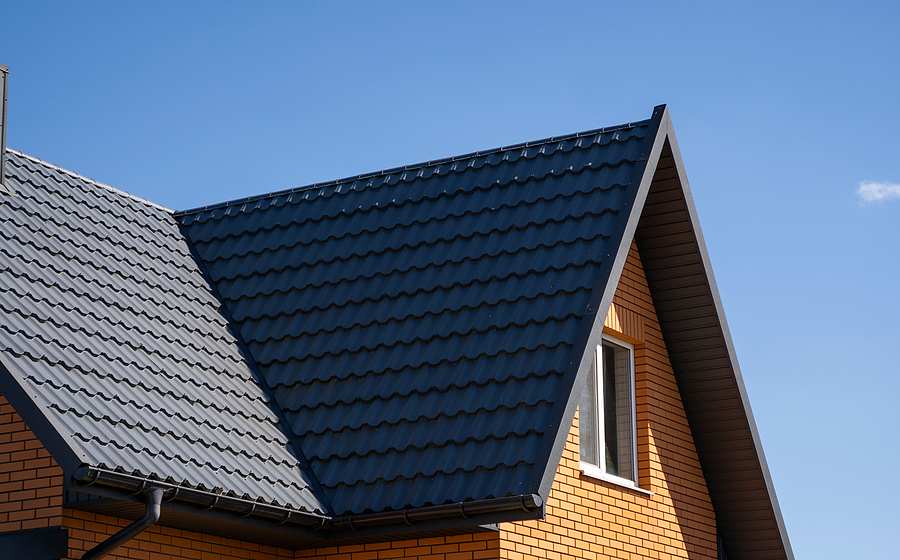
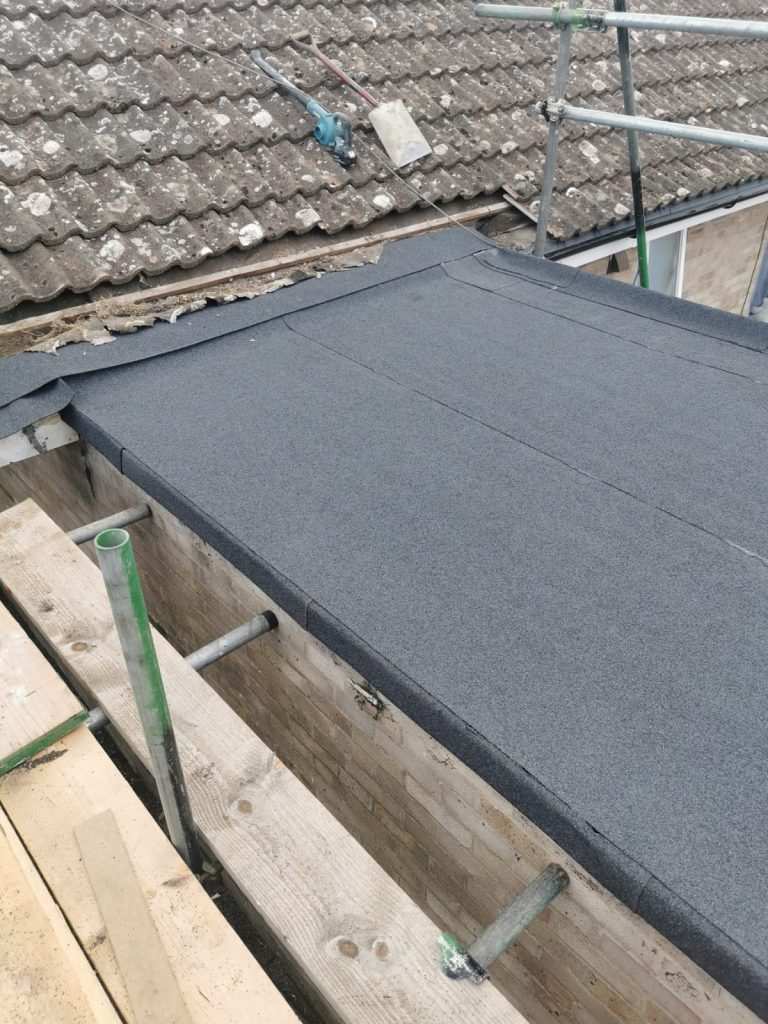
Given how complex a roof construction is, fitting a new roof can take as little as a day or as long as multiple weeks, although the average is between three and five days for a relatively standard roof of a typical size made from conventional materials.
As there are countless types of roof used to shelter British homes, most of which face decades of varying environmental and weather conditions, determining how long it takes to fit a new roof will depend somewhat on the condition of the old one.
To understand why, it is essential to look at the typical process of replacing a roof, what can expedite or delay this process, and when you should consider replacing your roof if you have concerns.
How Long Does A Typical Roof Replacement Take?
In general, a roof replacement needs between three and five days, but this does not include the surveying and preparation process, which typically adds a few weeks to the timeframe.
It typically takes an initial survey to determine the timescales of a roof replacement project for certain, as there can sometimes be remedial work to defects which needs to be taken into account.
However, most terraced or semi-detached roofs tend to take under a week to complete, which is broken down into the following:
- Around one hour for initial inspections.
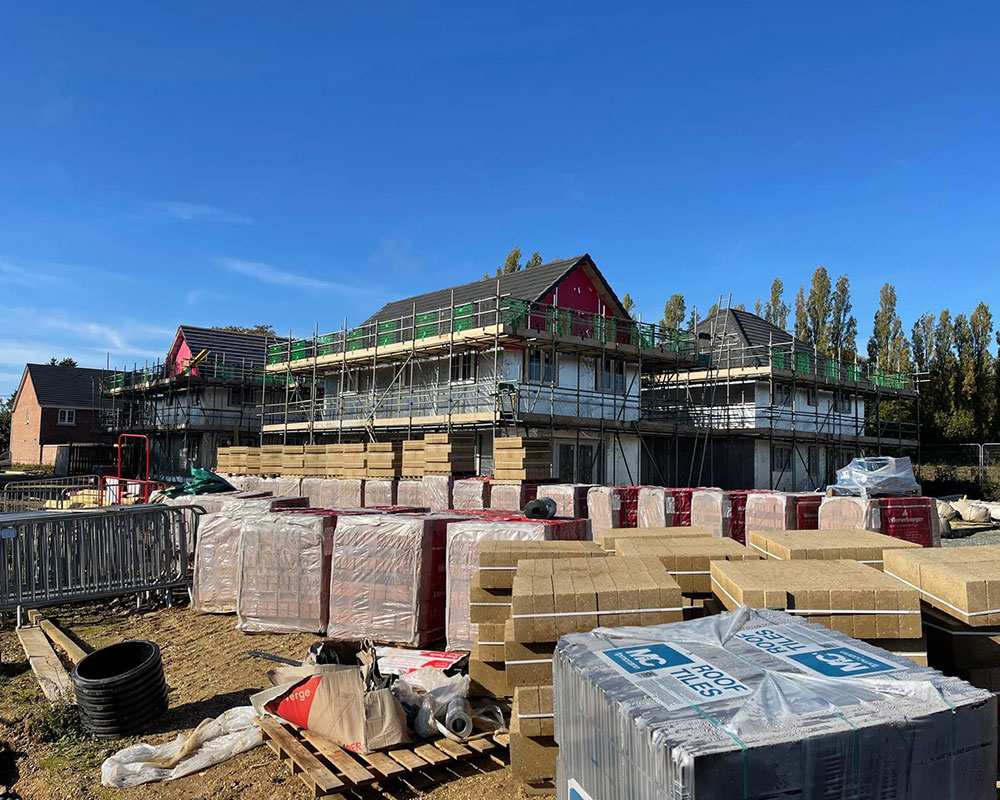
- Roughly one day to set up the scaffold.
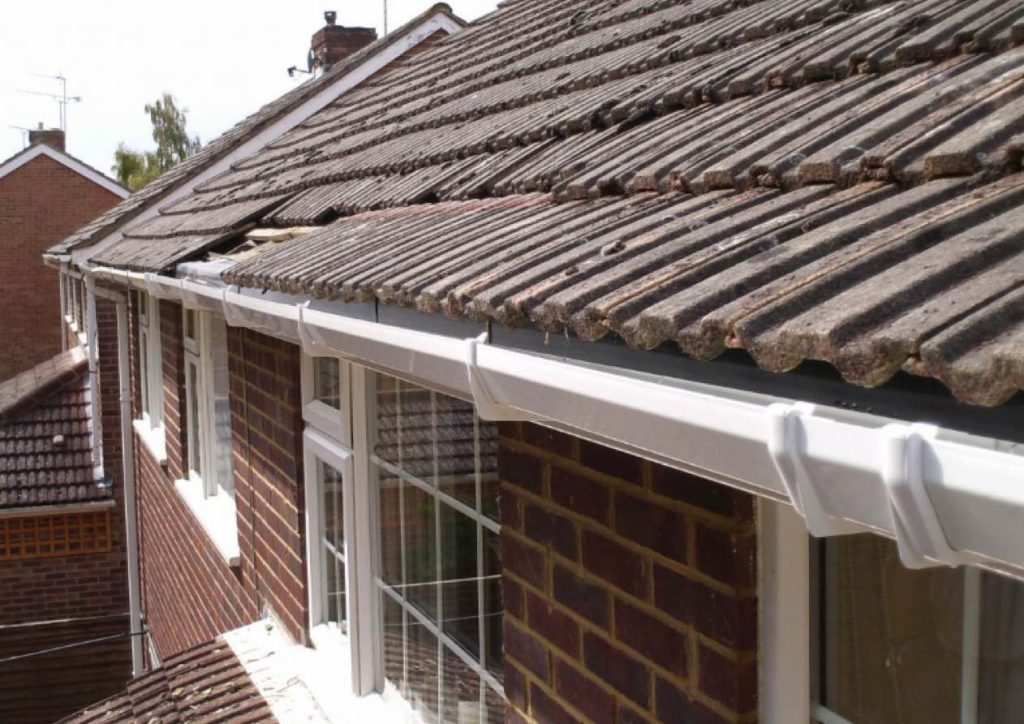
- One to three days to retile the roof.
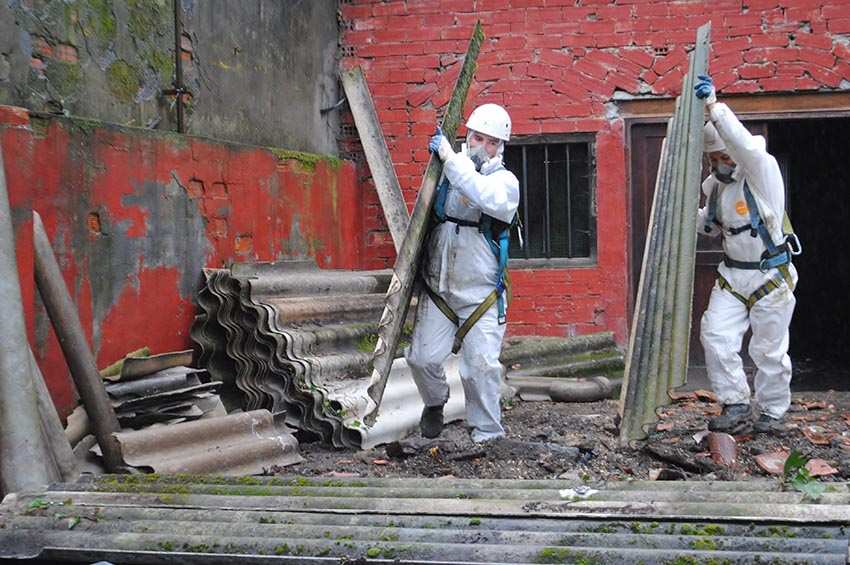
- Between half a day and up to two days to repair timber, lay new underlay or undertake ventilation works.
- Between one and five days to install the roof based on complexity.
- Half a day to clear the area, sweep the nails and sign off the roof.
In total, the work is expected to last around a week, although exactly how long it will take can vary considerably.
What Factors Affect Roof Replacement?
Roofing repair is complex, specialist work which needs to be undertaken carefully to avoid problems which could potentially cause danger to workers and residents alike.
In general, if you have any concerns about your roof, you should get in touch with an expert as soon as possible. Do not wait to see if it will get better, as that can sometimes lead to slower roof repairs and replacements.
Here are some of the factors that can affect a roof repair or replacement.
Type Of House
Typically, the more your home and your roof are secured, the easier and faster the replacement will be.
Terraced houses are the easiest, being secured on both sides, whilst semi-detached properties have a neighbour to link to.
In general, you can add an extra two days depending on the type of house.
Type Of Roof
The pitch, complexity and varying layers and protrusions can all make a roof replacement more complex and take longer.
Materials
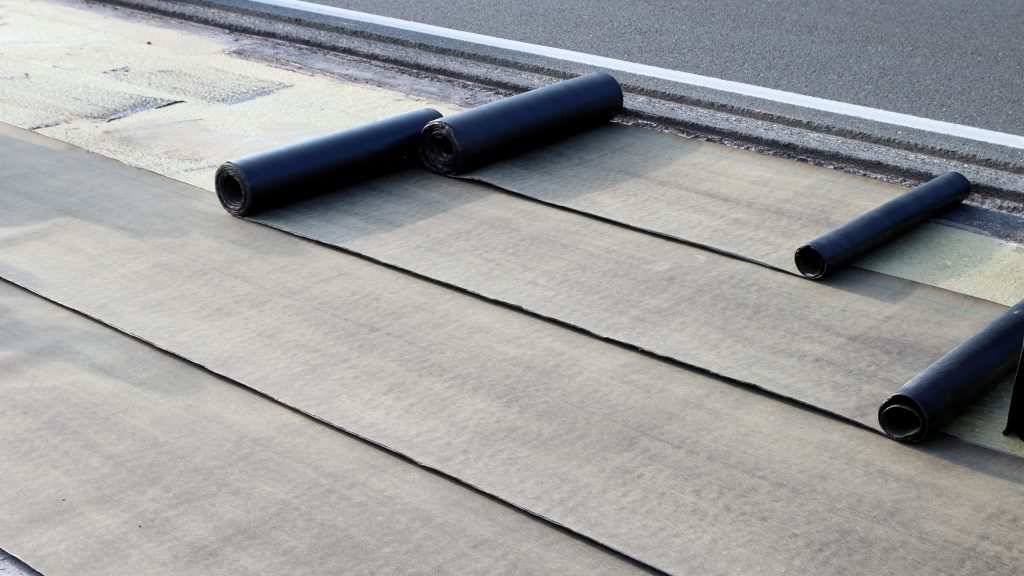
Certain materials, such as asphalt and especially metal sheets, are particularly quick to fit, but more conventional clay and slate tiles will typically require more involved work.
Size
The bigger the home, the more work needs to be done to strip, repair and replace the roof.
Taller homes can also affect the completion time due to working at height.
Weather
Strong winds and rain can delay roofing work due to the potential risk of working at height, whilst extreme heat and extreme cold can affect sealants and adhesives, further delaying proceedings.