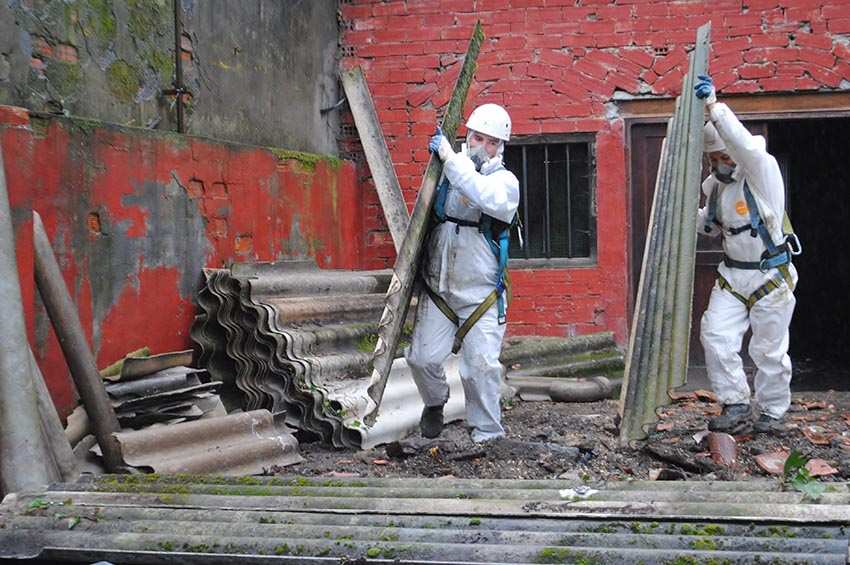
To test for asbestos, a licensed, competent contractor must inspect every part of your building, including your roof, carefully taking samples and sending them to a testing laboratory to be analysed.
This process, known as an asbestos survey, is a thorough analysis of suspected asbestos-containing materials, whether they need to be removed, and whether planned demolition or refurbishment work can go ahead safely.
If you are worried that your roof contains asbestos, either due to the age of the materials or because they resemble known asbestos cement products, here is how asbestos testing works, what happens during a survey and what happens if asbestos is found.
How Does An Asbestos Survey Work?
There are various types of surveys depending on the nature of the property and whether there is an intention to carry out works which could disturb asbestos, but the first and most important is a management survey.
During this survey, an inspector will travel through the property and look for materials suspected to contain asbestos.
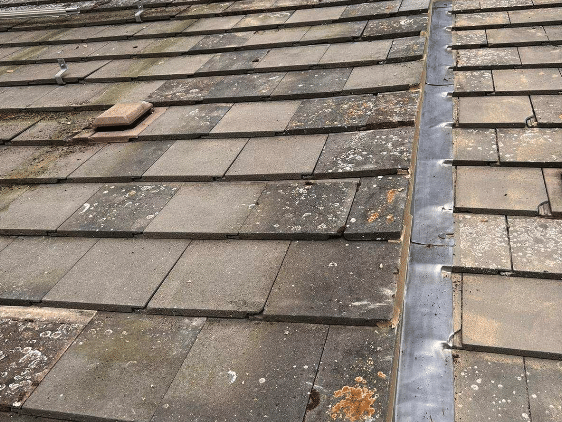
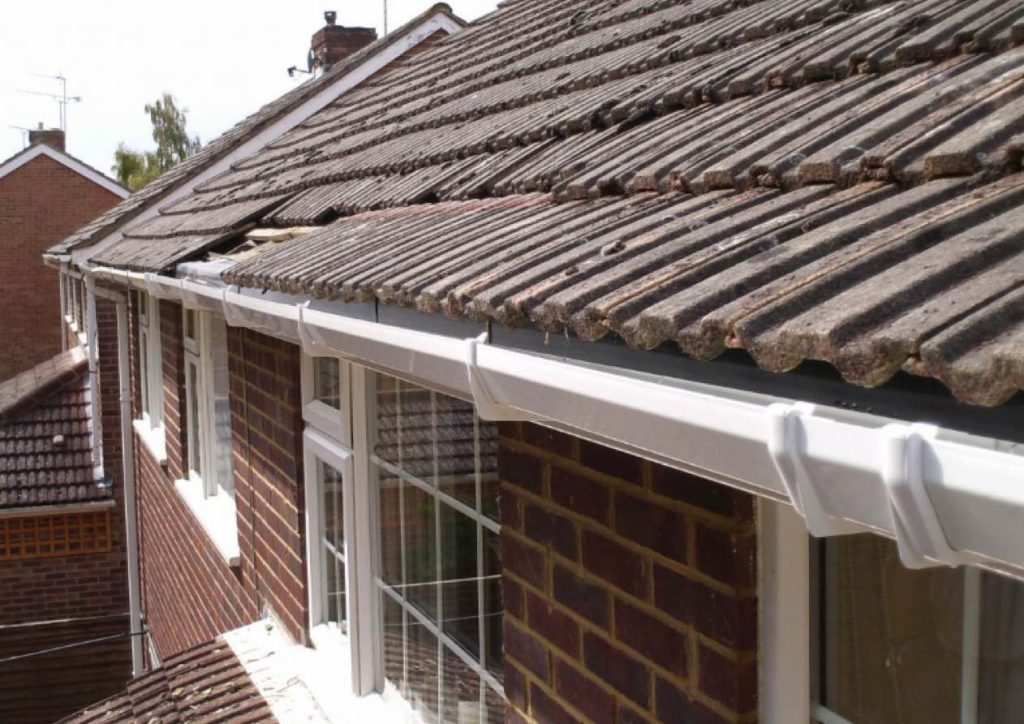
In the case of roofing, this would include cement roofing sheets, cladding, guttering, flues, pipes and loft insulation, all of which may use materials that contain asbestos if they were installed before the year 2000.
If a surveyor spots materials believed to contain asbestos, they will typically dampen the material where possible to minimise the chance of fibrous dust entering the air before using hand tools to remove a small sample of the material believed to contain asbestos, sealing the sample point afterwards.
This is put into a sealed container which is labelled with relevant details before being sent to a laboratory.
The whole process takes up to four working days, although the on-site portion of this usually takes between two and four hours depending on the size and complexity of the site.
Why Is It Important To Test For Asbestos?
When left undisturbed, asbestos is typically safe, but as materials degrade with age, the risk increases that roofing materials containing asbestos will break and cause potential health hazards.
Asbestos exposure can cause long-term respiratory issues of such severity that the use of asbestos was banned outright in 1999, which means that asbestos materials are over 25 years old at the very least and at further risk of degradation.
Testing gives you peace of mind, either that your home, office or commercial building does not contain asbestos, or allows you to make your home safer now and in the future.
What Happens If Asbestos Is Discovered?
Contrary to popular belief, asbestos does not always have to be removed whenever it is discovered, although you must contact your local council once you receive any test results.
The survey will let you know not only that there is asbestos, but what type it is, where it is located, its current condition and the current level of risk it is causing.
If the asbestos is in good condition far away from the habitable areas of the home, management may be limited to putting it on a register and regularly monitoring to ensure it does not degrade.
However, if it is already damaged, is at a high risk of being damaged, or you are planning demolition/refurbishment works, you may need to remove the asbestos from the roof first in a controlled, safe manner.